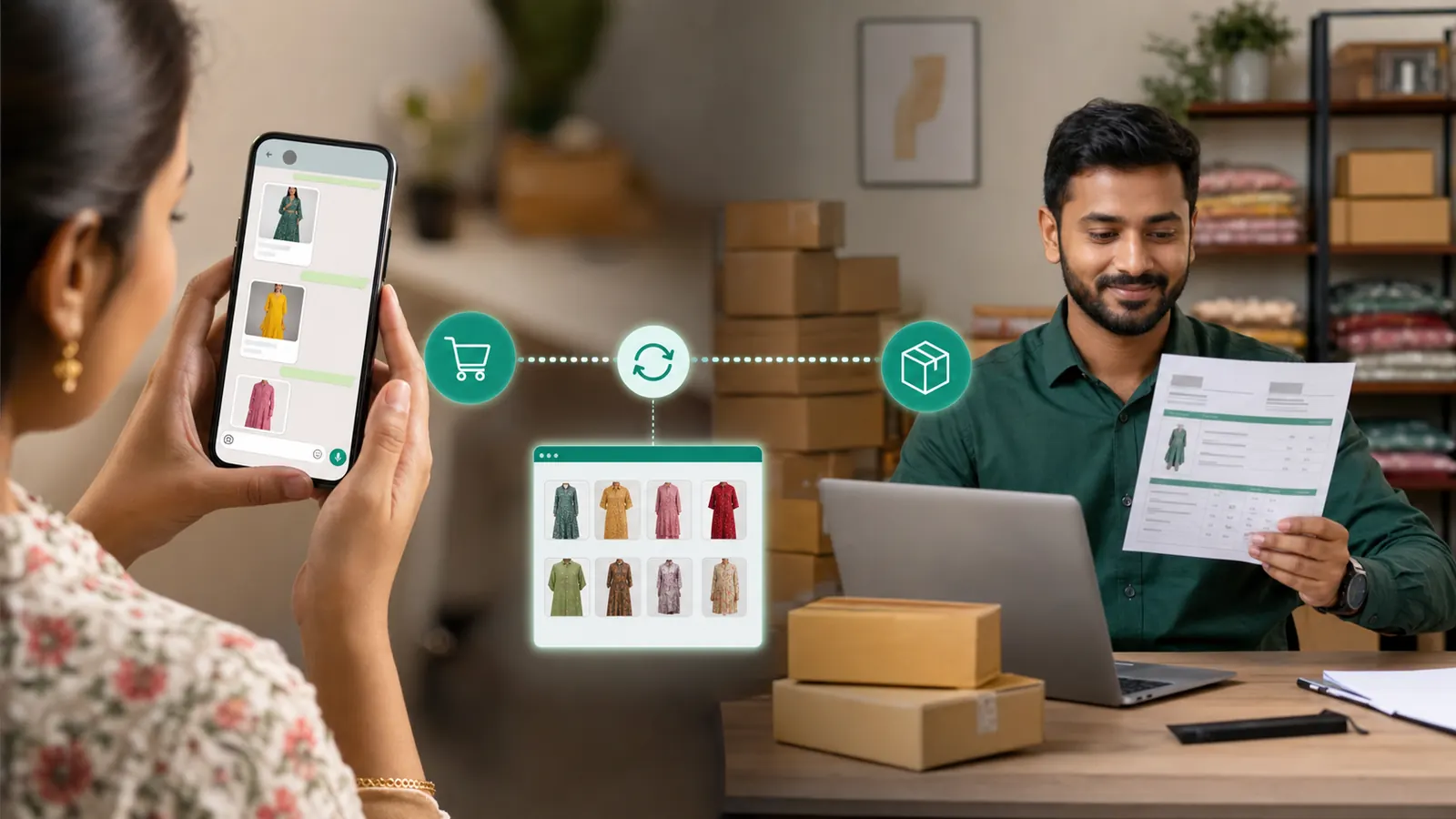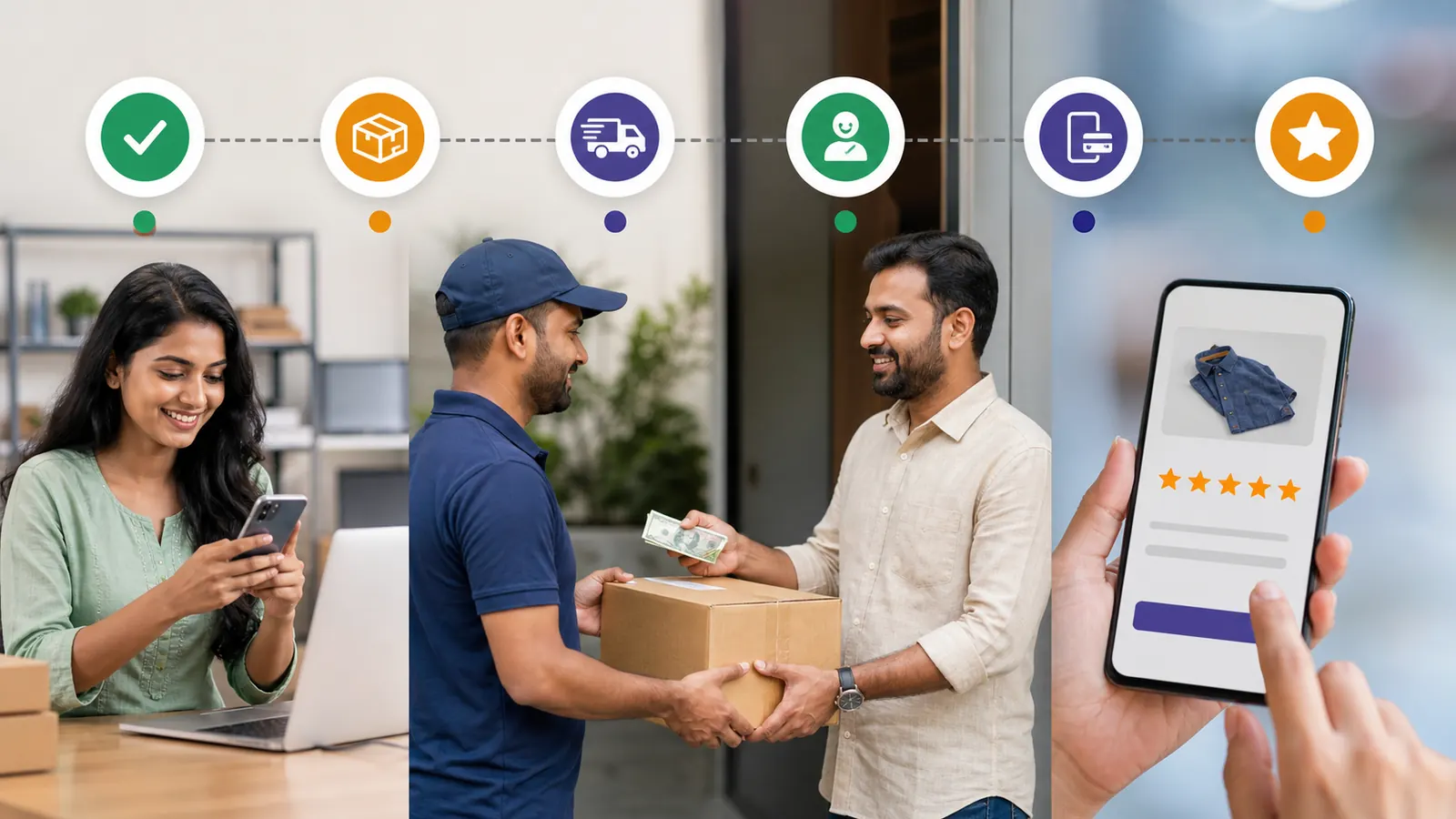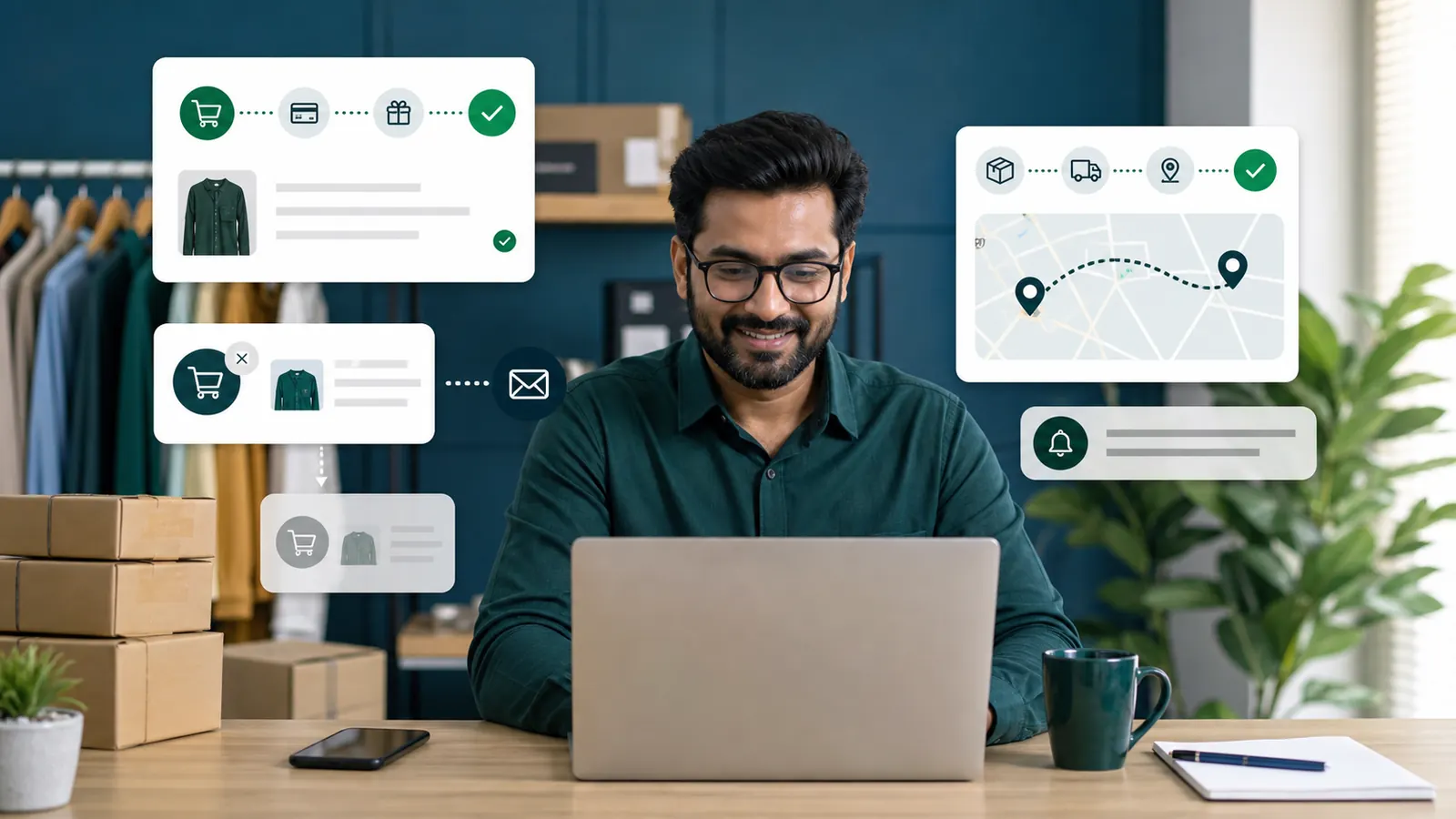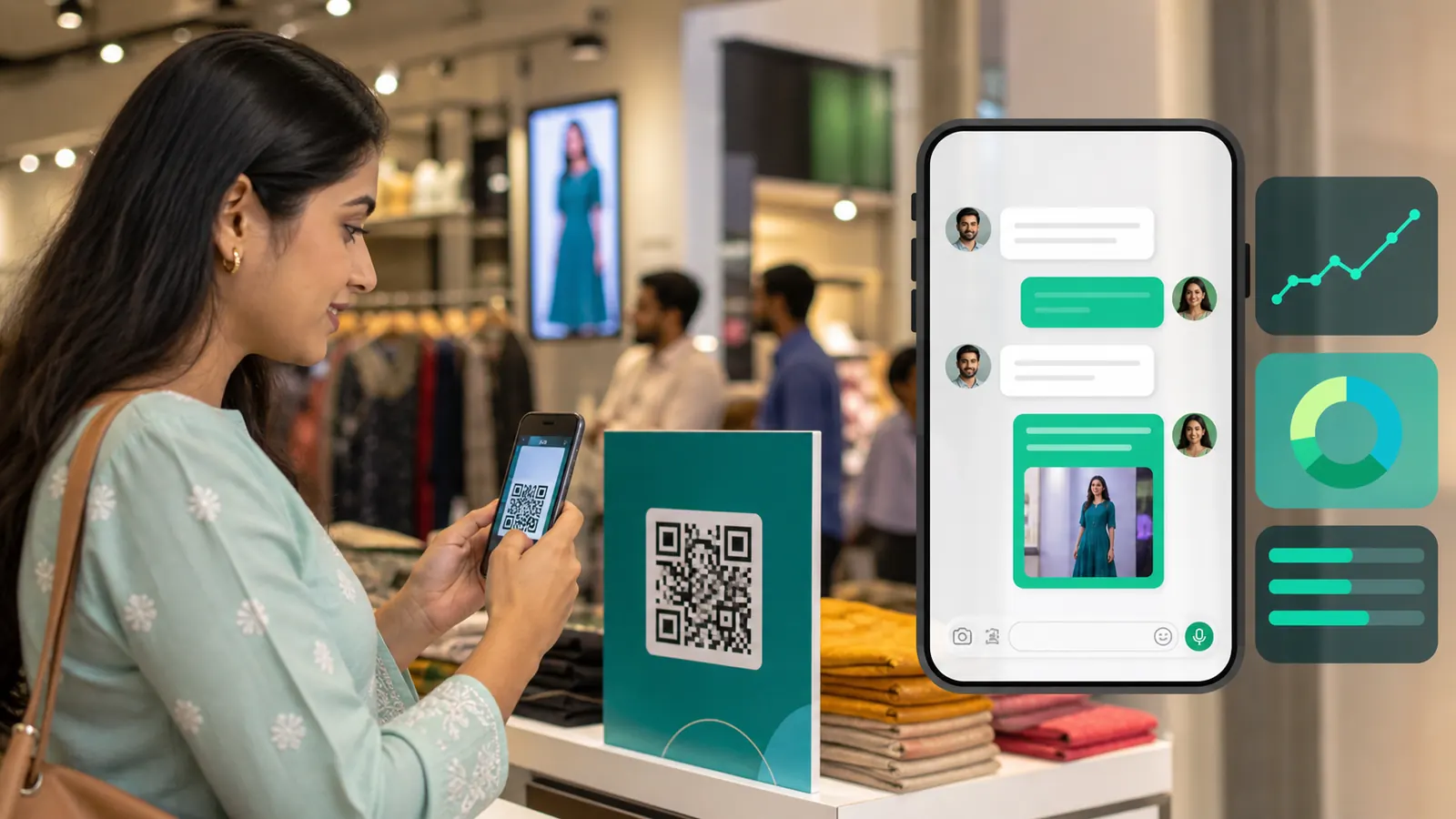
A Click-to-WhatsApp link removes the friction of saving a number and typing a first message, but the quality of the resulting lead depends on what happens after the tap. The strongest setup is usually simple: a useful trigger, a relevant message, an obvious next step, and honest measurement. This article is written for businesses that want customers to begin an enquiry from online and offline touchpoints, so the advice stays close to day-to-day business work instead of abstract marketing theory.
1.Why Click-to-WhatsApp links deserves a proper process
WhatsApp is personal. A customer sees a business message beside conversations with family, colleagues, and friends, which raises the standard for relevance. A clear entry point can increase useful conversations and preserve source context for faster routing and follow-up. Good execution begins with permission, accurate contact data, an approved message format when required, and a clear reason for sending. The business should be able to explain the value of every message in one sentence. If it cannot, the message probably needs another edit. Technology should make the service feel more attentive, not more robotic, and every automated path should still provide a sensible route to a person.
2.Start with the customer outcome
Match each link or QR code to one location, one customer intent, and one prepared inbox response. Before configuring anything, write down the event that starts the workflow, the customer who should receive it, the outcome the message should create, and the person responsible when automation cannot finish the job. This prevents a sophisticated sequence from becoming an ownerless process. Use a small internal test list first. Check names, number formatting, variables, links, images, buttons, timing, and opt-out behaviour. Only then move to real customers who have agreed to receive the relevant communication.
3.Write a useful prefilled message
The first text should identify the customer's likely intent without pretending they already agreed to something else. Treat the workflow as an operating system rather than a one-time campaign trick, with a clear owner and a documented reason for every rule. Use a short natural sentence the customer can review before sending. A product page opens I would like details about the Oak Desk rather than a generic Hi. Keep the first version intentionally simple, watch what customers actually do, and improve the workflow from evidence rather than assumptions. Read the finished message on a phone before sending it widely. If the next action is not obvious in a few seconds, simplify the copy or the flow. Do not publish a QR code without testing it from the final printed size and distance. Test the normal path as well as missing data, an incorrect phone number, a late reply, and a customer who wants to stop messages. Those edge cases are where a polished workflow proves its value.
4.Create source-specific links
Using the same link everywhere hides whether a lead came from a website, poster, package, ad, or event. A dependable setup balances customer convenience with sensible controls, useful fallbacks, and an easy route to a human conversation. Add distinct source references and label the placement in the dashboard. The Jaipur showroom QR and Instagram profile link create separate source records. Keep the first version intentionally simple, watch what customers actually do, and improve the workflow from evidence rather than assumptions. Read the finished message on a phone before sending it widely. If the next action is not obvious in a few seconds, simplify the copy or the flow. Do not use a misleading prefilled message that implies consent or a purchase the customer did not make. Test the normal path as well as missing data, an incorrect phone number, a late reply, and a customer who wants to stop messages. Those edge cases are where a polished workflow proves its value.
5.Place the entry point in context
A QR code without an explanation gives people no reason to scan or idea what happens next. The useful question is not whether the feature sounds impressive. It is whether it removes a real delay, repeated task, or missed customer moment. Add a specific promise such as check availability, request a quote, or book a visit. A menu card says Scan to ask about catering packages and opens the relevant message. Keep the first version intentionally simple, watch what customers actually do, and improve the workflow from evidence rather than assumptions. Read the finished message on a phone before sending it widely. If the next action is not obvious in a few seconds, simplify the copy or the flow. Do not publish a QR code without testing it from the final printed size and distance. Test the normal path as well as missing data, an incorrect phone number, a late reply, and a customer who wants to stop messages. Those edge cases are where a polished workflow proves its value.
6.Prepare the receiving team
More leads create value only when the inbox recognises the source and assigns the conversation quickly. A process that depends on someone remembering every small step will eventually break, especially when message volume grows. Route the source, create a matching quick reply, and monitor first-response time. An event lead reaches the event sales queue with the campaign badge visible. Keep the first version intentionally simple, watch what customers actually do, and improve the workflow from evidence rather than assumptions. Read the finished message on a phone before sending it widely. If the next action is not obvious in a few seconds, simplify the copy or the flow. Do not use a misleading prefilled message that implies consent or a purchase the customer did not make. Test the normal path as well as missing data, an incorrect phone number, a late reply, and a customer who wants to stop messages. Those edge cases are where a polished workflow proves its value.
7.A practical business example
A furniture brand places different QR codes on showroom price cards and delivery packaging. Product enquiries and post-purchase support enter separate inbox paths with useful prefilled context. The example works because the customer receives information connected to something they actually did, the message contains enough context to be trusted, and the next step is obvious. There is no exaggerated language or long sales pitch. A short, specific message respects the reader's attention. The team also benefits because the conversation arrives with useful history attached, allowing an agent to take over without asking the customer to begin again.
8.How to measure whether it is working
Define success before launch. For this workflow, success means people begin relevant conversations from each placement and receive a fast response that reflects the source. Do not judge the result by message volume alone. A high send count can hide poor delivery, irrelevant targeting, repeated questions, or customers opting out. Review the numbers beside a sample of real conversations. Quantitative data shows where a problem exists; the conversation usually explains why. Change one meaningful element at a time, then allow enough traffic to learn whether the change helped.
- New conversations, qualified leads, and first-response time by link or QR source.
- Delivery and failure rates, reviewed separately instead of being hidden inside a total send count.
- The number of customers who complete the intended next step after reading the message.
- Questions, complaints, handovers, and opt-outs found in a weekly sample of real conversations.
- Time saved for the team compared with the previous manual process.
9.Common mistakes to avoid
The mistakes below look small during setup, but each one can create avoidable customer frustration. Ask someone who did not build the workflow to test it from a customer's phone. Fresh eyes catch unclear wording, broken assumptions, and missing fallback paths faster than the person who has been staring at the configuration all week.
- Do not publish a QR code without testing it from the final printed size and distance.
- Do not use a misleading prefilled message that implies consent or a purchase the customer did not make.
- Sending to people who did not agree to receive this type of communication.
- Launching to the full audience before testing variables, links, buttons, media, and fallback behaviour.
- Using vague copy that makes the customer guess what happened or what to do next.
10.Launch checklist
Use this checklist as the final review for Click-to-WhatsApp links. A workflow is ready when the data is correct, the message genuinely helps the reader, the next action works on a real phone, and the team knows what happens when the normal path fails. Keep a dated copy with the campaign or automation notes so later changes can be reviewed against the same standard.
- Confirm the WhatsApp Business number, account access, and webhook connection are healthy.
- Use accurate, permission-based contacts and remove anyone who opted out.
- Use a short natural sentence the customer can review before sending.
- Add distinct source references and label the placement in the dashboard.
- Add a specific promise such as check availability, request a quote, or book a visit.
- Route the source, create a matching quick reply, and monitor first-response time.
- Test the complete journey on both Android and iPhone before the public release.
- Assign an owner for failed messages and conversations that need a human response.
- Record the launch date, audience, template version, and baseline metrics for later comparison.
Pro tip
The tap starts the lead; the context and response quality decide whether it becomes a customer.
11.The sensible next step
Launch a separate link for each major placement and remove any source that creates volume without useful intent. ScheduleKaro brings official WhatsApp Business communication, campaigns, a shared inbox, automation, and commerce workflows into one dashboard. Begin with one use case customers already ask for, run a controlled test, and improve it from real conversations. That approach creates a service people trust and a system the team can operate long after the first launch.
Frequently asked questions
What is Click-to-WhatsApp links?
Create Click-to-WhatsApp links and QR codes with useful prefilled messages, source tracking, clear placement, fast inbox routing, and privacy-aware measurement.
Who should use Click-to-WhatsApp links?
It is most useful for businesses that want customers to begin an enquiry from online and offline touchpoints. Start with one clear customer journey and expand only after the first workflow is reliable.
What should a business do before launching?
Match each link or QR code to one location, one customer intent, and one prepared inbox response. Test with a small internal audience, confirm customer permission, and make sure a team member owns exceptions.
Put this guide to work in ScheduleKaro
Schedule posts, run WhatsApp campaigns, generate AI captions and track performance — all in one place.
✓ No credit card required ✓ Free plan available
ScheduleKaro Team
We're a team of marketers and product builders helping businesses and creators grow faster with social media, WhatsApp, and AI.